
Blog
7 Essential Cannabis Purity Testing Facts You Need to Know
Sep
Cannabis products have exploded in popularity, and millions trust them for wellness, relief, or recreation. Most people focus on strains or potency, but very few realize that over 80 percent of illegal market cannabis samples tested positive for contaminants like pesticides, heavy metals, or mold. The real question is not how strong your cannabis is, but how pure and safe it really might be.
Table of Contents
- What Is Cannabis Purity Testing?
- Why Cannabis Purity Matters For Consumers
- Common Contaminants Found In Cannabis
- Methods Of Cannabis Purity Testing
- Understanding Laboratory Certifications
- How To Read Cannabis Test Results
- Choosing Safe And High-Quality Cannabis Products
Quick Summary
| Takeaway | Explanation |
|---|---|
| Rigorous purity testing ensures product safety. | Comprehensive testing detects contaminants, ensuring consumer protection against health risks. |
| Understand laboratory certifications for credibility. | Certified labs guarantee accurate testing results and adherence to safety standards. |
| Examine Certificates of Analysis (COA) before purchasing. | COAs provide detailed insights into potency, safety, and contaminant levels, helping consumers make informed choices. |
| Prioritize products with balanced cannabinoid ratios. | Products with a balanced THC and CBD content offer more predictable effects and suitable user experience. |
| Stay informed about cannabis product sourcing and quality. | Researching manufacturers and their testing processes helps ensure safe and high-quality cannabis consumption. |
1: What is Cannabis Purity Testing?
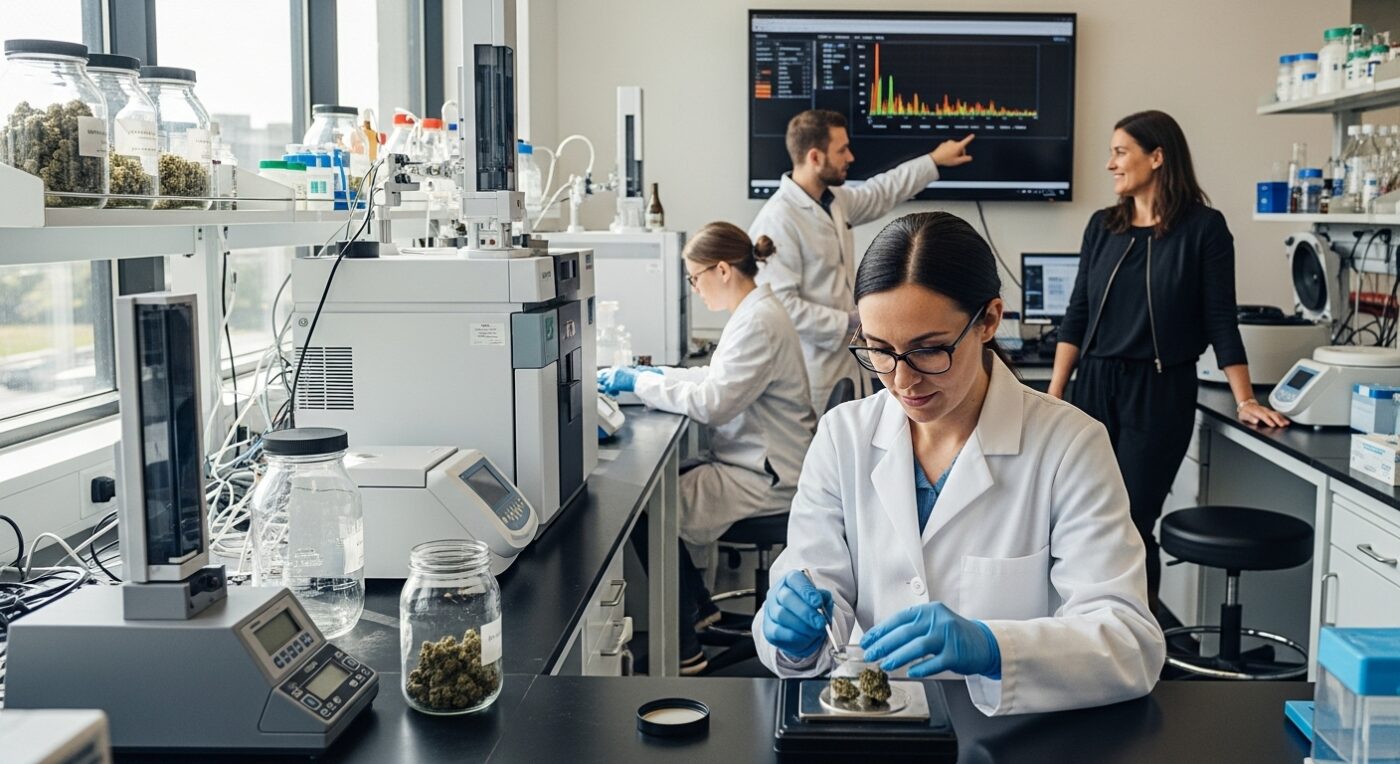
Cannabis purity testing represents a critical scientific process designed to assess the safety, quality, and chemical composition of cannabis products before they reach consumers. This comprehensive evaluation ensures that cannabis goods meet stringent regulatory standards and protect public health.
At its core, cannabis purity testing involves a series of sophisticated laboratory analyses that screen for potential contaminants and verify the product’s chemical profile. Explore our guide on product authenticity to understand why these tests are so crucial.
The primary objectives of cannabis purity testing include:
- Detecting harmful pesticides and chemical residues
- Measuring cannabinoid concentration with precision
- Identifying potential microbial contamination
- Screening for heavy metal presence
- Verifying terpene profiles
According to the National Institute of Standards and Technology, these comprehensive tests help laboratories distinguish between hemp and marijuana while ensuring accurate chemical measurements. Professional testing laboratories utilize advanced techniques such as high-performance liquid chromatography, gas chromatography, and mass spectrometry to conduct these detailed analyses.
The process typically involves collecting representative samples from cannabis batches and subjecting them to rigorous scientific examination. These tests not only protect consumers from potential health risks but also provide transparency about the exact composition of cannabis products, allowing individuals to make informed purchasing decisions.
By mandating strict purity testing protocols, regulatory agencies aim to establish a standardized framework that guarantees consumer safety and product reliability across the cannabis industry.
2: Why Cannabis Purity Matters for Consumers
Cannabis purity is not just a technical concern but a critical health and safety imperative for consumers. Impure cannabis products can expose individuals to significant health risks that extend far beyond typical product quality concerns. Learn more about product authenticity and understand why vigilance matters.
The potential dangers of consuming impure cannabis products are substantial and multifaceted. Contaminated cannabis can introduce harmful substances that may cause serious health complications, ranging from mild respiratory issues to more severe long-term health problems.
Key risks associated with impure cannabis include:
- Potential exposure to harmful pesticide residues
- Risk of microbial contamination like fungus or bacteria
- Presence of heavy metals that can accumulate in human tissue
- Unexpected chemical solvent residues from extraction processes
According to research published in Environmental Health Perspectives, cannabis products without rigorous purity testing can contain dangerous contaminants that pose significant health threats. These contaminants might not be visible to the naked eye but can have profound implications for consumer health.
Consumers who prioritize product purity protect themselves from potential health risks and ensure a safer, more predictable cannabis experience. By understanding and demanding comprehensive purity testing, individuals can make informed choices about the products they consume.
Moreover, purity testing provides transparency, allowing consumers to know exactly what compounds they are introducing into their bodies. This knowledge empowers individuals to make responsible decisions about their cannabis consumption, balancing potential therapeutic benefits with a commitment to personal safety.
3: Common Contaminants Found in Cannabis
Cannabis products can harbor various potentially harmful contaminants that compromise product quality and consumer safety. Learn more about our product testing process to understand how these risks are mitigated.
Chemical contaminants represent a significant threat to cannabis product integrity. These microscopic invaders can enter cannabis through multiple stages of cultivation, processing, and storage, making comprehensive testing essential for consumer protection.
The most prevalent contaminants discovered during cannabis purity testing include:
- Pesticide residues from agricultural treatments
- Heavy metals like lead, arsenic, and mercury
- Microbial organisms such as bacteria and fungi
- Residual solvents from extraction processes
- Mycotoxins produced by mold growth
According to research published in the International Journal of Environmental Research and Public Health, these contaminants pose substantial health risks, particularly for individuals with compromised immune systems or underlying health conditions.
Pesticide contamination remains especially concerning. Agricultural chemicals used during cannabis cultivation can persist in final products, potentially causing long-term health complications. Some pesticides have been linked to neurological disorders, respiratory issues, and other serious medical conditions.
Heavy metal contamination represents another critical concern. These toxic substances can accumulate in cannabis plants through contaminated soil or water sources. Even minimal exposure to heavy metals like lead can result in significant health problems, including neurological damage and organ dysfunction.
Microbial contamination presents unique challenges. Bacteria, mold, and fungi can proliferate during improper storage or cultivation, introducing potential respiratory and digestive health risks. Consumers with weakened immune systems are particularly vulnerable to these microorganisms.
Understanding these potential contaminants underscores the absolute necessity of rigorous cannabis purity testing to protect consumer health and ensure product safety.
4: Methods of Cannabis Purity Testing
Cannabis purity testing requires sophisticated scientific methodologies that go far beyond simple visual inspection. Advanced analytical techniques enable laboratories to detect even trace amounts of contaminants and precisely measure chemical compositions. Check out our detailed guide on cannabis product testing to understand these intricate processes.
Laboratory testing represents the gold standard for ensuring cannabis product safety and quality. Professional analysts employ multiple sophisticated techniques to comprehensively evaluate cannabis samples.
Key analytical methods used in cannabis purity testing include:
- High-Performance Liquid Chromatography (HPLC) for cannabinoid profiling
- Gas Chromatography-Mass Spectrometry for detecting residual solvents
- Inductively Coupled Plasma Mass Spectrometry for heavy metal screening
- Polymerase Chain Reaction for microbial contamination identification
- Enzyme-Linked Immunosorbent Assay for pesticide residue detection
According to research from the Colorado Department of Public Health and Environment, these methods require rigorous in-house validation to ensure precise and reproducible results.
Quantitative testing provides crucial insights into cannabis product composition. Laboratories analyze samples for multiple parameters, including total cannabinoid content, terpene profiles, potential contaminants, and overall chemical stability.
The testing process typically involves multiple stages. First, representative samples are carefully collected and prepared through grinding, homogenization, and precise weighing. These samples then undergo extensive chemical analysis using state-of-the-art instrumentation that can detect contaminants at extremely low concentrations.
Each testing method serves a specific purpose. Liquid chromatography helps map cannabinoid concentrations, while mass spectrometry can identify minute quantities of potentially harmful substances that might escape less sensitive detection techniques.
By employing these comprehensive testing protocols, laboratories provide consumers with detailed, scientifically validated information about cannabis product safety and composition, ultimately protecting public health and ensuring product transparency.
5: Understanding Laboratory Certifications
Laboratory certifications represent the critical backbone of reliable cannabis purity testing, providing consumers and regulators with confidence in product safety and quality. Learn more about our product authenticity verification to understand the importance of these standards.
Accreditation ensures scientific integrity and establishes a rigorous framework for cannabis testing laboratories to demonstrate their technical competence and reliability.
Key certification standards for cannabis testing laboratories include:
- ISO/IEC 17025 international standard for testing laboratory competence
- International Accreditation from recognized regulatory bodies
- State-specific cannabis testing certifications
- Proficiency testing program participation
- Continuous quality improvement documentation
According to the American Association for Laboratory Accreditation, obtaining comprehensive laboratory certification involves multiple complex evaluation processes that assess technical expertise, equipment quality, and consistent methodological performance.
Certification requirements are comprehensive and multifaceted. Laboratories must demonstrate exceptional technical skills, maintain sophisticated analytical equipment, and consistently produce reproducible results across different testing scenarios.
The certification process typically involves detailed assessments of a laboratory’s operational procedures, including equipment calibration, staff training, documentation practices, and quality control protocols. Accredited laboratories must prove they can deliver accurate, reliable, and scientifically validated testing results.
Professional accreditation goes beyond simple compliance. It represents a commitment to ongoing scientific excellence and continuous improvement in cannabis testing methodologies. Certified laboratories must regularly undergo rigorous external audits and participate in proficiency testing programs to maintain their credentials.
Consumers and industry stakeholders should prioritize products tested by certified laboratories, as these credentials provide crucial assurance of product safety, chemical accuracy, and commitment to high scientific standards.
6: How to Read Cannabis Test Results
Reading cannabis test results requires careful attention to detail and an understanding of key scientific parameters. Learn more about THC potency to enhance your comprehension of these complex documents.
Certificates of Analysis (COA) provide comprehensive insights into a cannabis product’s chemical composition, safety, and overall quality. These documents represent the scientific blueprint of a cannabis product’s characteristics.
Essential elements to examine in cannabis test results include:
- Total cannabinoid percentage including THC and CBD levels
- Terpene profile and concentration
- Contaminant screening results
- Batch and lot identification numbers
- Laboratory accreditation details
According to research published in the National Institutes of Health, comprehensive test results should clearly display specific analytes tested, permissible limits, and scientific methodologies employed.
Cannabinoid potency represents a critical measurement. Consumers should focus on the total percentage of active compounds like THC and CBD, which indicate the product’s potential therapeutic or recreational effects. Understanding these numbers helps individuals make informed consumption decisions.
Contaminant screening results demand equally careful examination. Zero tolerance should be the standard for dangerous substances like pesticides, heavy metals, and microbial impurities. Look for explicit statements confirming the absence of these harmful elements.
The laboratory’s accreditation credentials are equally significant. Consumers should verify that the testing facility maintains recognized certifications, ensuring the scientific reliability and accuracy of the reported results.
Terpene profiles offer additional insights into a product’s potential effects and sensory characteristics. These complex organic compounds contribute to the cannabis experience beyond simple cannabinoid percentages, providing nuanced information about potential therapeutic or recreational benefits.
7: Choosing Safe and High-Quality Cannabis Products
Selecting safe and high-quality cannabis products requires a strategic approach that goes beyond casual selection. Explore our guide to cannabis concentrates to understand product nuances and quality indicators.
Consumer awareness is the first line of defense in protecting oneself from potentially unsafe cannabis products. Understanding key selection criteria can significantly reduce health risks and ensure a positive cannabis experience.
Critical factors to consider when choosing cannabis products include:
- Verified laboratory testing results
- Reputable manufacturer credentials
- Transparent sourcing information
- Clear cannabinoid and terpene profiles
- Consistent product quality
According to clinical research published in medical journals, comprehensive product evaluation should encompass multiple dimensions beyond simple potency measurements.
Cannabinoid ratios play a crucial role in product selection. Consumers should prioritize products with balanced THC and CBD content, understanding that different ratios produce varying effects. Lower THC concentrations combined with higher CBD percentages often provide more predictable and manageable experiences.
Manufacturer reputation represents another essential consideration. Seek brands that demonstrate consistent commitment to transparency, providing comprehensive certificates of analysis, detailed product information, and clear manufacturing standards. Reputable producers invest in rigorous quality control processes and maintain open communication about their production methods.
Consumers should develop a systematic approach to product selection. This involves carefully reviewing laboratory test results, understanding personal health requirements, and staying informed about emerging cannabis research. Consulting healthcare professionals can provide additional guidance tailored to individual health profiles.
Ultimately, choosing safe cannabis products requires an informed, methodical approach that prioritizes scientific validation, transparency, and individual wellness goals.
Below is a comprehensive table summarizing the core facts, procedures, risks, and best practices discussed in the article on cannabis purity testing and safety.
| Topic | Key Points | Why It Matters |
|---|---|---|
| What is Cannabis Purity Testing? | Scientific evaluation of cannabis for contaminants, potency, and chemical composition using lab methods. | Safeguards public health, ensures products meet regulations. |
| Why Purity Matters for Consumers | Impure cannabis can contain harmful pesticides, heavy metals, microbes, and solvents. | Reduces health risks and increases user safety. |
| Common Contaminants | Pesticide residues, heavy metals, microbes, residual solvents, mycotoxins. | These pose serious health complications if undetected. |
| Methods of Testing | HPLC, GC-MS, ICP-MS, PCR, and ELISA for analyzing various contaminants and compounds. | Provides accurate and reliable product information. |
| Laboratory Certifications | ISO/IEC 17025, proficiency programs, state-specific certifications; ongoing external audits. | Confirms lab accuracy and credibility of test results. |
| How to Read Test Results (COA) | Check cannabinoid/terpene levels, contaminant screens, lot numbers, and lab accreditation on the Certificate. | Enables informed purchasing and consumption decisions. |
| Choosing Safe Cannabis Products | Prioritize COAs, reputable brands, transparent sourcing, balanced cannabinoid ratios, and product consistency. | Ensures high-quality, authentic, and safe cannabis use. |
Make Informed Choices with Verified Cannabis Purity at Puff Laco
Are you concerned about hidden contaminants or uncertain purity in your cannabis products? The facts in this article show how crucial trusted testing is for your safety and peace of mind. At Puff Laco, we directly address the pain points highlighted here such as worries about pesticides, heavy metals, microbial contamination, and misleading labeling. Every vape, pre-roll, edible, and concentrate we offer is backed by rigorous purity testing and complete transparency. You can count on true product authenticity and know exactly what you are getting in each order. For a deeper look into how we maintain these standards, explore our cannabis product testing process or discover more about product authenticity verification.
.png)
Why settle for uncertainty when you can demand quality and safety right now? Visit Puff Laco to experience firsthand the difference our purity assurance, fast shipping, and exclusive discounts can make. Take the next step to protect your health and enjoy premium cannabis with full confidence today.
Frequently Asked Questions
What is cannabis purity testing?
Cannabis purity testing is a scientific process that assesses the safety, quality, and chemical composition of cannabis products, ensuring they meet regulatory standards and protect public health.
Why does cannabis purity matter for consumers?
Cannabis purity is crucial for consumer safety, as impure products may expose individuals to harmful substances, increasing the risk of serious health complications and allowing consumers to make informed choices about what they consume.
What are common contaminants found in cannabis?
Common contaminants in cannabis products include pesticide residues, heavy metals, microbial organisms, residual solvents, and mycotoxins, all of which can lead to significant health risks for consumers.
How can I read cannabis test results?
Reading cannabis test results involves examining the Certificate of Analysis (COA) for key elements like total cannabinoid percentages, terpene profiles, contaminant screening results, and laboratory accreditation details, which offer insights into the product’s safety and quality.
Recommended
- Master the Cannabis Product Testing Process in 2025
- Cannabis Product Authenticity Guide
- Understanding Cannabis Product Authenticity Explained
- Understanding What is Vape Cartridge Purity
